Pneumatic Vacuum Generators vs. Electric Vacuum Pumps
Start operating smarter and more efficiently by selecting the right vacuum system. The choice between an electric vacuum pump and a pneumatic vacuum generator is critical to performance and energy optimization. At JHFOSTER we don’t just distribute products, we provide expert guidance from start to finish. We can help you evaluate the needs of your application to integrate the vacuum technology that will power your success.
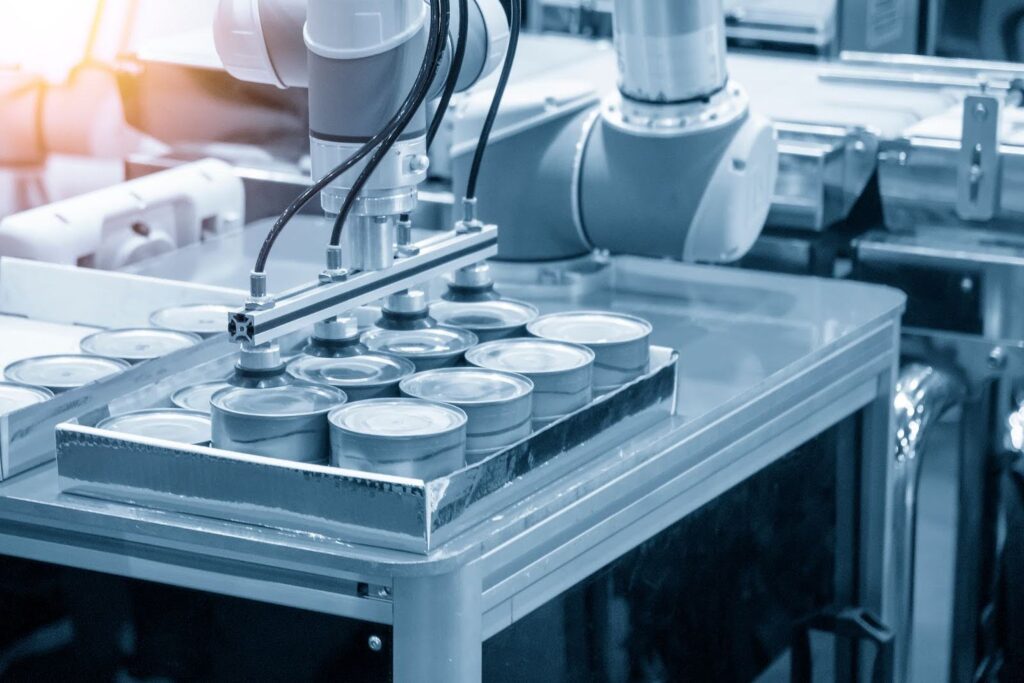
What is a Pneumatic Vacuum Generator?
A pneumatic vacuum generator, also called an ejector or venturi vacuum generator, uses compressed air pressure to create a vacuum almost instantaneously. Pneumatic vacuum generators contain no moving parts and are a simple and reliable low-maintenance solution.
How does a pneumatic vacuum work?
Pneumatic vacuum generators operate on the venturi principle. To operate, compressed air flows through a nozzle, increasing speed and creating a pressure drop, generating the vacuum. The simplicity of the technology, along with a lightweight compact footprint, low maintenance requirements and high reliability, ensures a powerful point of use solution for applications that demand high-speed on/off cycles requiring an immediate response.
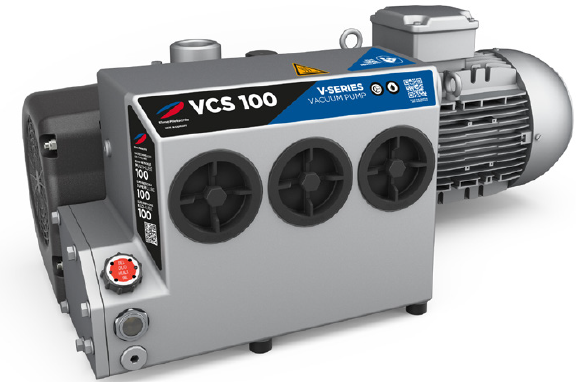
What is an Electric Vacuum Pump?
Electric vacuum pumps are mechanical devices that use a motor to physically displace air or gas, creating a vacuum in a closed system. Electric vacuum pumps rely on a motor and internal moving parts – such as rotors, vanes, pistons or claws – to create vacuum.
What Applications Use a Vacuum Pump?
Vacuum pumps are useful in a range of industrial applications, including:
Automated pick and place: Vacuum pumps offer controlled, reliable suction to grip and manipulate objects.
Material handling: Vacuum pumps may be used to move large volumes of bulk material quickly, such as fertilizer, grain or flour.
Packaging and sealing: Vacuum pumps create an airtight seal in packages, extending product shelf life.
Clamping and work holding: In CNC and other operations, vacuum pumps firmly hold and clamp workpieces.
General robotics: Vacuum pumps enable effective, gentle, end-of-arm tooling.
Advantages of Electric Vacuum Pumps
Electric vacuum pumps are much more energy efficient than pneumatic vacuum generators, especially in continuous, long-running applications. They can achieve a high level of vacuum without compressed air, making them the preferred choice for many applications.
Disadvantages of Electric Vacuum Pumps
Compared to pneumatic vacuum generators, electric vacuum pump systems have a higher initial cost, higher maintenance requirements (mainly due to more moving parts and stringent inlet filtration requirements). They may not be well suited for some intermittent, point of use applications that require high vacuum flow with a fast response time.
Three Common Types of Vacuum Pumps?
JHFOSTER can help you specify the best industrial-grade vacuum solution for your application from the following vacuum pump technologies:
Positive displacement: Rotary screw, claw, vane, liquid ring, piston and diaphragm are some common types of positive displacement vacuum pumps. All are tailored to fit specific industrial application requirements.
Dynamic (Regenerative): Commonly used in high flow, low (rough) vacuum applications using spinning rotor blades, very low maintenance and durable.
Vacuum Generator (Ejector): Has no moving parts other than the pneumatic control valve, creates vacuum from the venturi effect caused by compressed air flowing through a nozzle.
Pneumatic vs. Electric: Which Vacuum Pump is Best?
The best technology is the one that is engineered to meet the needs of your vacuum application. The following table compares pneumatic vacuum generators and electric vacuum pumps to help you make an informed decision.
| Criteria | Pneumatic Vacuum Generator | Electric Vacuum Pump |
| Energy efficiency | Most efficient in intermittent applications. | Most efficient in continuous use applications. |
| Speed/response time | Near instantaneous vacuum generation. | Requires time to build vacuum level. |
| Footprint | Very compact and lightweight. Commonly used on robotic EOAT. | Larger footprint and most electric vacuum pumps are designed for continuous operation. |
| Maintenance requirements | No moving parts other than the pneumatic control valve = low maintenance requirements. | More moving parts = more maintenance needs. |
Partner with JHFOSTER for Reliable Vacuum Solutions
JHFOSTER offers high-quality pneumatic and electric vacuum technologies and backs them up with technical expertise and local support. Don’t guess. Contact JHFOSTER today for expert guidance and a consultation. Let us design, integrate and support a tailored vacuum solution that delivers high-performance results for your process.