Linear Guides vs. Linear Actuators: Choosing the Right Solution
Linear guides and linear actuators serve different but equally significant roles in motion control applications. Understanding the distinction is critical to designing precise and reliable automation systems.
What are Linear Guides Used For?
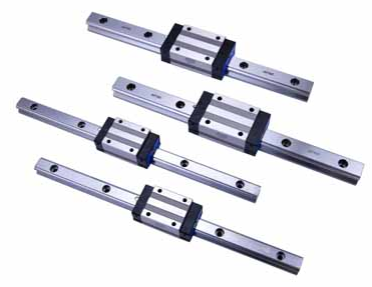
Linear guides, also called linear rails or bearings, are the component in motion control and automation systems that support the load and ensure straight, low-friction motion. Unlike linear actuators, linear guides do not generate force. Rather, they are passive components that provide stability, high-load capacity and precision. Linear guides are used in many applications, including:
- CNC machines that demand high rigidity.
- 3D printers for precise positioning.
- Robotic transport units.
- Medical imaging equipment.
What is the Difference between Linear Rails and Linear Actuators?
Linear rails and linear actuators provide two distinct, but critical functions.
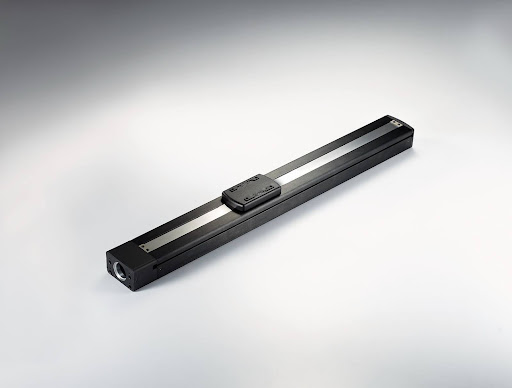
Linear actuators: These components convert electric, pneumatic or hydraulic energy into straight-line motion. Think of linear actuators as the “muscle” in motion control systems: They provide the force that pushes or pulls the load. Some linear actuators have integrated guides, which can be a source of confusion when specifying components for a motion control system.
Linear rails: Linear rails keep the motion of the linear actuator on a specific path. Think of them as the “bones” that keep things aligned and in place, enabling the linear actuator to do its job without internal friction or wear caused by moment loads it wasn’t designed for.
If these components were car parts, the actuator would be the engine that makes the car go, while the linear rail would be the chassis/wheel system that keeps it on the road.
When specifying these components, choose a linear actuator based on its force and speed and a linear rail based on load capacity and accuracy.
What is the Difference between a Linear Motor and a Linear Actuator?
A linear motor is a type of direct drive mechanism used on some linear actuators.
Linear motors are a specific type of drive technology – essentially a rotary electric motor that is unrolled to lie “flat,” allowing it to provide straight-line (versus circular) motion. Linear motors provide direct drive, high speed and high acceleration, but may require a separate guidance system.
What is the Difference between a Linear Guide and a Linear Shaft?
Both components provide passive guidance and have distinct advantages in automation systems. The choice between the two should be based on the specifications of the application.
Linear Guides (Profile Rails): These are square-shaped rails with recirculating ball bearings. They offer high load capacities, high rigidity and high precision.
Linear Shaft (Round Shaft): These are round steel shafts with bushings or ball bearings. They are lower cost, more forgiving of misalignment and can withstand washdown or dirty environments when properly configured.
In most cases, linear guides should be used in high-precision applications, such as machine tools, and linear shafts should be chosen for general transport or cost-sensitive projects.
JHFOSTER: Your Partner in Automation
Successful automation systems are those that pair the right linear actuator with the right linear guide. At JHFOSTER, we don’t just sell parts, we engineer solutions. As your partner in automation, our motion control experts can help you find the linear actuator and linear guide that offer will optimal performance and keep your automation system reliably on track. Contact us today for help or request a quote for the components you need.