Category: Motion Control
A Look at the Essential Components of a Motion Control System
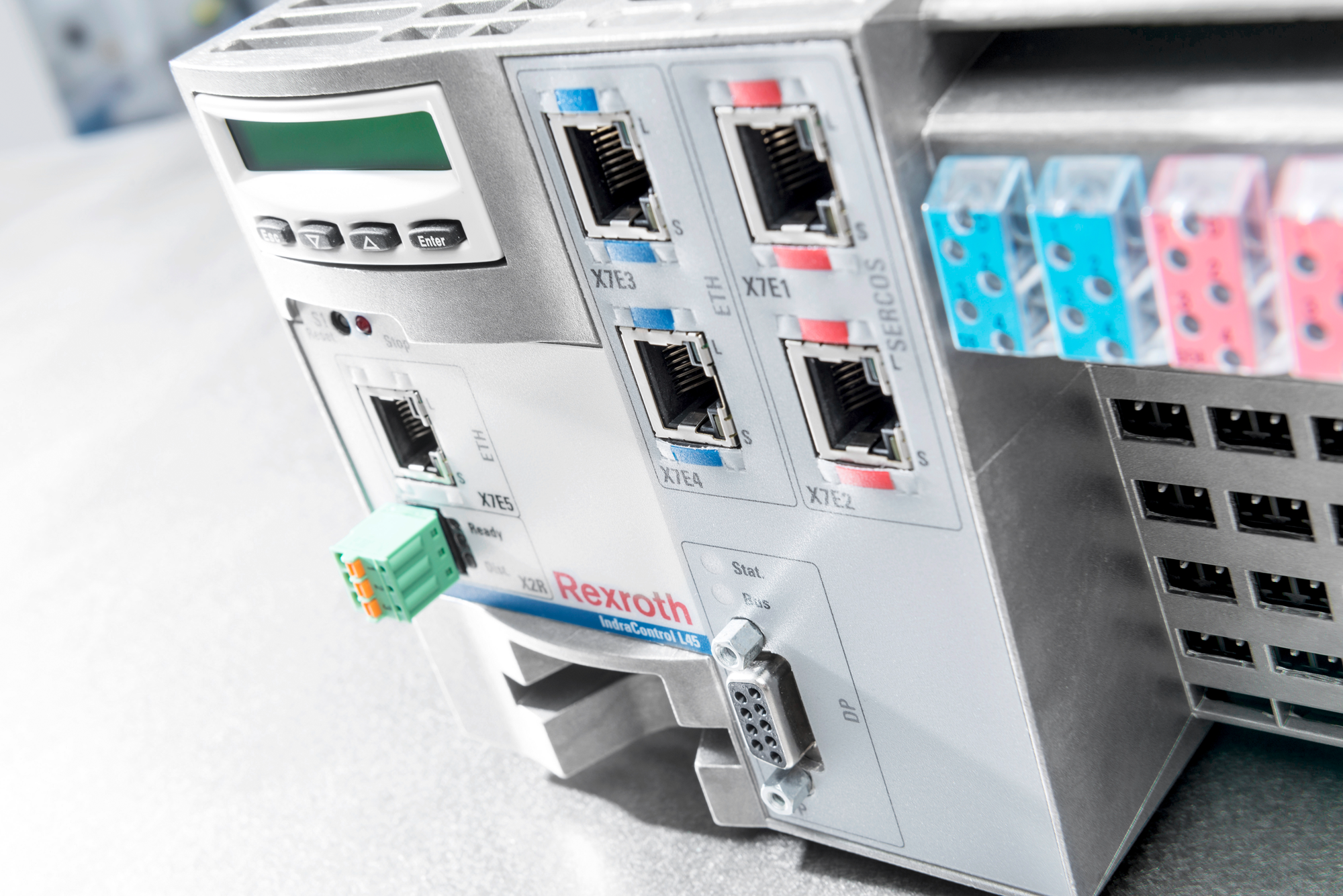
Modern manufacturers must increase efficiency in their operations to remain competitive. Motion control systems, which precisely control speed, acceleration, position, and torque in industrial automated equipment, can help manufacturers achieve greater levels of productivity. These sophisticated systems have four essential components: a controller, drive, motor, and feedback device. Understanding how they work together is key […]
IIoT and Smart Manufacturing: Your Guide to the Connected Factory
Today’s connected factories – those where smart manufacturing systems can communicate seamlessly using Industrial Internet of Things (IIoT)-enabled technologies – are the modern solution for manufacturers who seek to increase efficiency, boost repeatability and reduce operational costs. This beginner’s guide will explain IIoT, how the technology enables smart manufacturing facilities and the benefits this connected, […]
Top 5 Motion Control Trends Shaping Automation in 2025 and Beyond
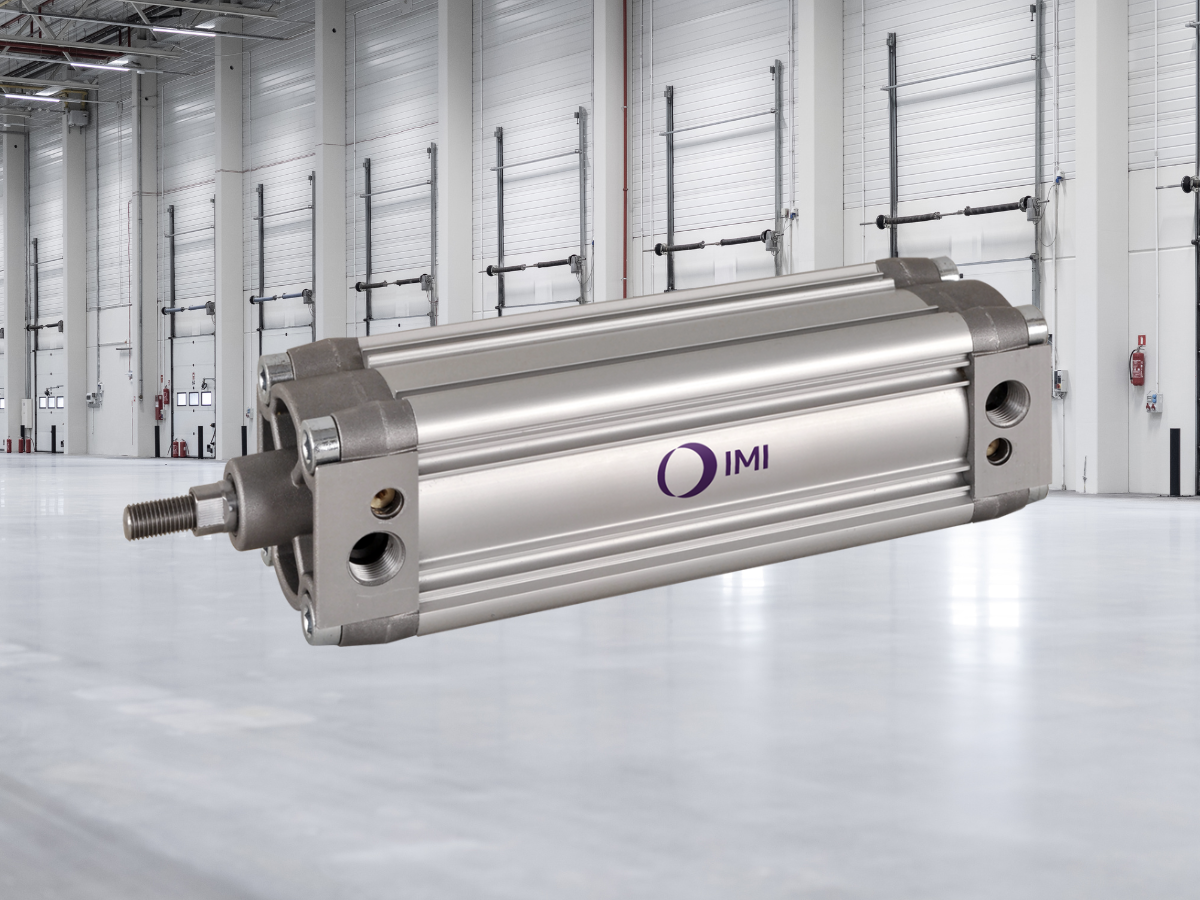
As industries pursue higher efficiency, precision, and adaptability, motion control is no longer just a supporting technology, it’s a driving force in next-gen automation. At JHFOSTER, we help manufacturers stay ahead by providing motion solutions from industry leaders like IMI. From intelligent actuators to compact, energy-efficient systems, today’s motion technology is smarter, smaller, and more connected. Here are the top five […]
Best Practices: Commissioning PLC Controllers in Complex Manufacturing
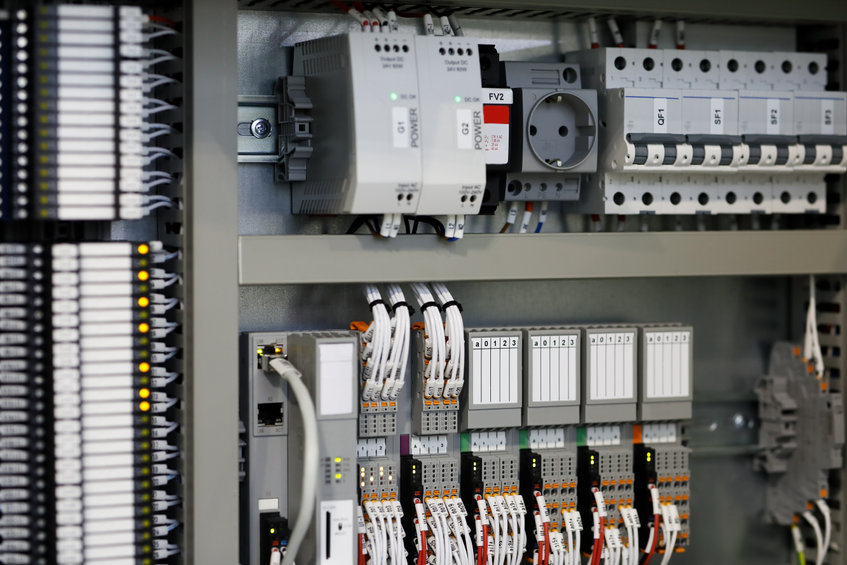
Complex manufacturing involves the production of large quantities of finished goods in the most time- and cost-efficient manner and often requires the use of multiple automated systems and PLC controller brands. If individual PLC controllers are not integrated into a single SCADA system, there may be issues with plant operations as independent PLC controllers will […]
Troubleshooting Motion Control Malfunctions
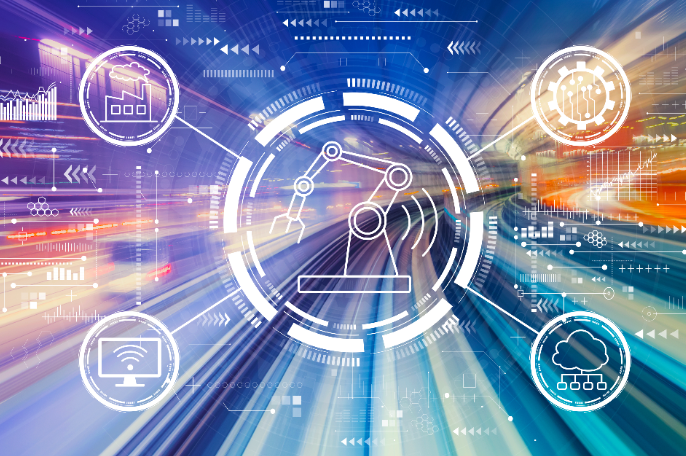
Motion control is a critical part of automated equipment and machinery found at industrial facilities. Malfunctions can result in downtime, wasted material, and safety issues. Quickly finding and fixing root causes will eliminate these losses and lead to reduced production delays. This blog will provide information on how to troubleshoot your motion control system so […]
How to Select the Right Gearbox for Your Application
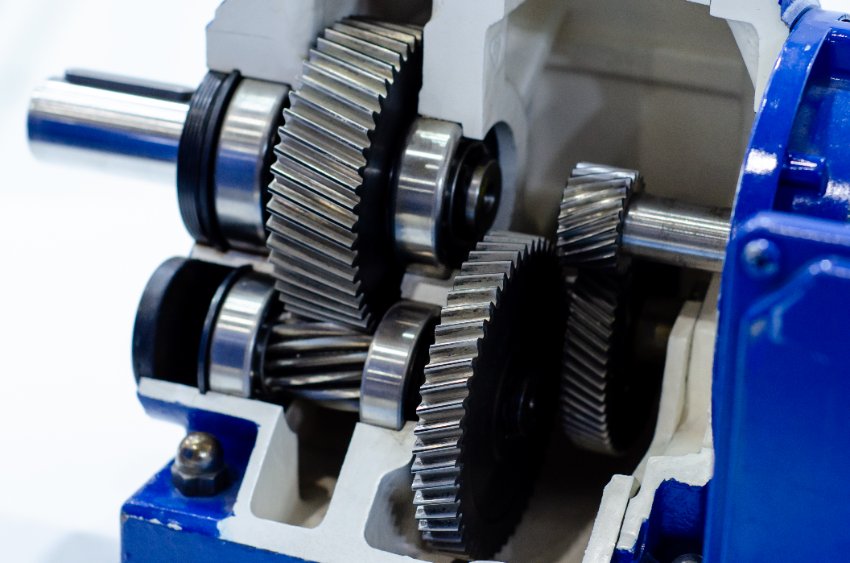
With many different gearbox types available, selecting the right one can be a challenge but the most suitable gearbox for your application will provide the most efficient and cost-effective performance. Proper gearbox selection requires determining how the gearbox must perform and how it will be mounted. This blog outlines the selection process. Gearbox Types Industrial […]
How to Lubricate Your Gearbox for Seasonal Temperature Changes
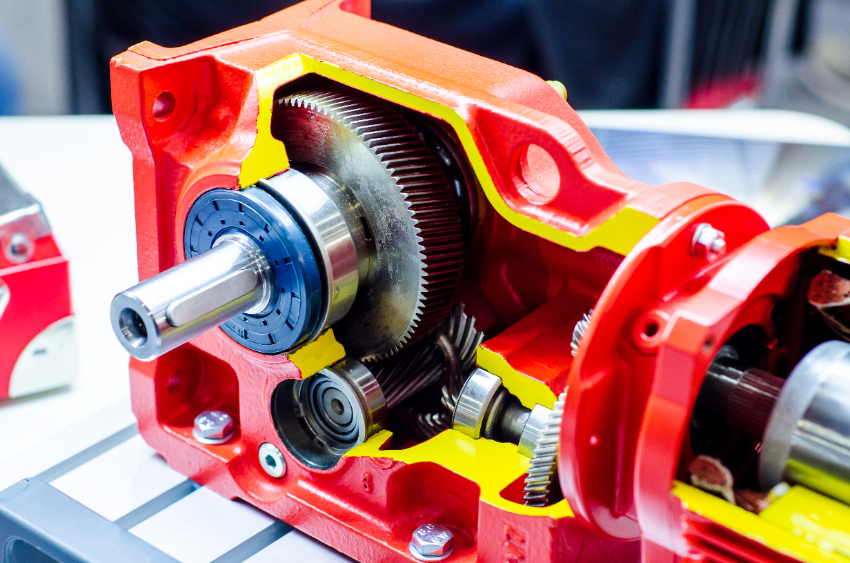
Many people incorrectly assume that high running temperatures created by friction within the gearbox are the only temperature fluctuations that can adversely affect its performance, but the truth is that changes in outdoor temperatures can also negatively influence the operation of industrial gearboxes. As a matter of fact, extreme weather scenarios can impact the performance […]
Proper Mounting Helps Prevent Gearbox Failure
Essential to providing speed and torque control to the motors of almost all industrial machinery, gearboxes can be found in applications ranging from machine tools to conveyor belts to industrial robots to heavy-duty mining equipment. Because they are durable mechanical devices designed to withstand the high temperatures, pressures and extreme conditions found in industrial environments, […]
Safety-Integrated Motion Control Allows Safety and Productivity to Co-Exist
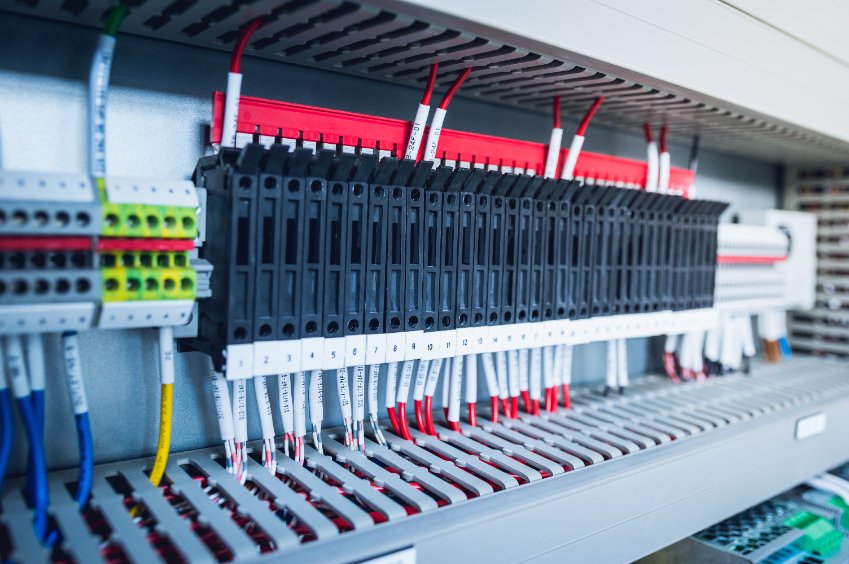
Ultimately, the objective of any manufacturing operation is to produce product. Accordingly, corporate goals often focus on efficiency, quality and productivity. While some companies view safety as a necessary evil or, worse, a costly drain on productivity, top-tier manufacturers rank safety as a priority and embed it deeply into the culture of the company. Furthering […]
A Brief Guide to Electric Actuators
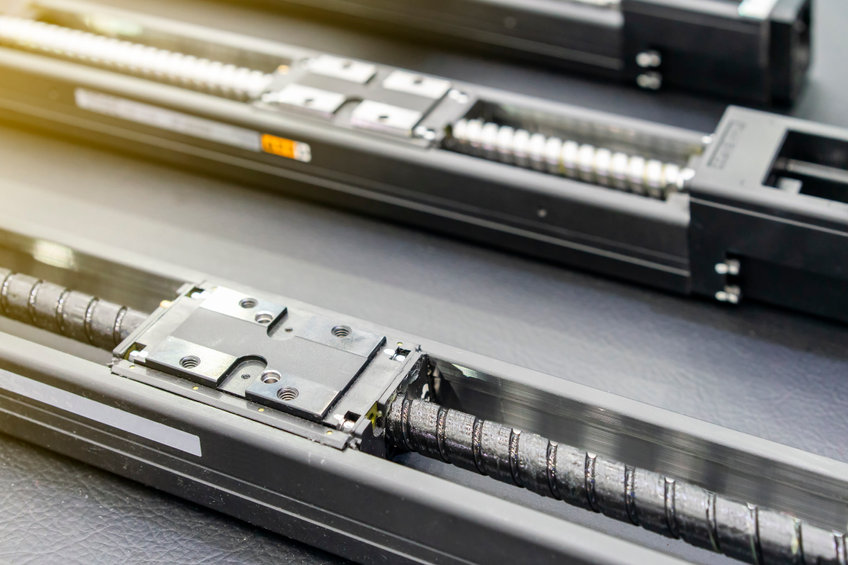
One major component that makes automation possible is electric actuators. These mechanical devices convert electricity into kinetic energy using either rotary or linear motion. Electric actuators work like other types of actuators. The only difference is that it uses electricity as its input. Electricity powers a motor, triggering specific components into motion. The final output […]